
 By James Edward Harrison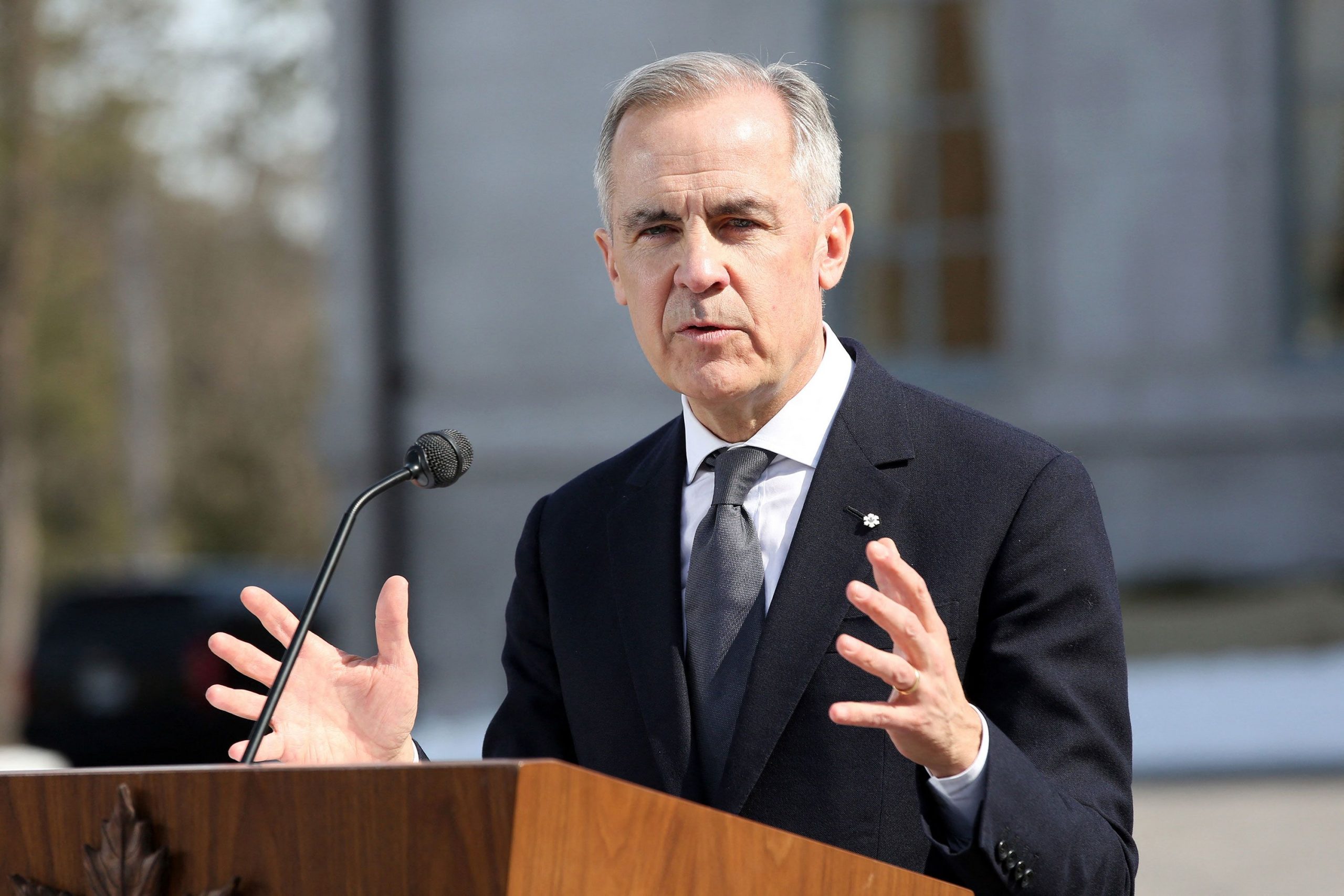
Mark Carney is one of the most influential economic figures of the 21st century. Known for leading central banks through global crises and for pushing financial institutions to confront climate risk, Carney has shaped how governments, markets, and policymakers think about money, stability, and responsibility.
Unlike many technocrats who stay behind the scenes, Carney became a public figure — not because he sought attention, but because the world kept falling apart on his watch.
Early Life and Education
Mark Carney was born in 1965 in Fort Smith, Northwest Territories, Canada. He grew up in a country shaped by natural resources, global trade, and economic cycles — themes that would later define his career.
Carney studied economics at Harvard University, where he graduated with high honors, before continuing his education at Oxford University, earning both a master’s degree and a doctorate. His academic background gave him a deep grounding in economic theory, but his career would be shaped just as much by real-world crises.
From Wall Street to Public Service
Before entering public service, Carney worked at Goldman Sachs, where he spent more than a decade in roles across London, Tokyo, New York, and Toronto. There, he gained firsthand experience with global financial markets, risk management, and international capital flows.
This experience later distinguished him from many central bankers: Carney understood not only how markets should work, but how they actually behave under pressure.
Governor of the Bank of Canada
In 2008, Carney became Governor of the Bank of Canada, just as the global financial system was entering its most severe crisis since the Great Depression.
Under his leadership, Canada avoided the worst of the financial meltdown. The country’s banking system remained stable, and its recovery was relatively swift compared to other major economies. Carney’s clear communication and decisive policy actions earned him international recognition.
At a time when trust in financial institutions was collapsing, Carney focused on transparency and credibility — rare qualities in crisis-era economics.
Leading the Bank of England Through Turbulence
In 2013, Mark Carney made history by becoming the first non-British Governor of the Bank of England. His tenure coincided with a period of extraordinary uncertainty, including the Brexit referendum, political instability, and shifting global trade conditions.
Carney was often placed in the uncomfortable position of explaining economic risks that many preferred to ignore. His warnings about Brexit’s economic consequences made him a controversial figure in some political circles, but they also reinforced his reputation as an independent and evidence-driven policymaker.
A New Focus: Climate and Finance
After leaving the Bank of England, Carney shifted his attention to a challenge that traditional economics long avoided: climate risk.
He has argued that climate change is not just an environmental issue, but a systemic financial risk. Extreme weather, energy transitions, and regulatory shifts all threaten economic stability if ignored.
Carney has since worked with international organizations and private institutions to integrate climate considerations into financial decision-making, pushing markets to think long-term — a radical idea in a world addicted to quarterly results.
Leadership Style and Philosophy
What sets Mark Carney apart is his emphasis on credibility, communication, and long-term thinking. He believes that markets function best when institutions are trusted and when risks are acknowledged rather than denied.
Carney is not known for dramatic gestures or populist language. His influence comes from clarity, preparation, and an insistence on confronting uncomfortable truths — whether about financial bubbles or climate realities.
Why Mark Carney Matters
Mark Carney’s career reflects the evolution of modern economics. Central banks are no longer quiet institutions adjusting interest rates in the background. They are now guardians of financial stability in a world shaped by globalization, technology, political shocks, and environmental limits.
Carney helped redefine that role.
Conclusion
Mark Carney is more than a central banker. He is a symbol of how economic leadership has changed in an age of constant disruption. From financial crises to climate risk, his work shows that stability is not achieved by ignoring problems — but by facing them early, openly, and with discipline.
In a world that often prefers comforting stories to hard data, Carney built his reputation on the opposite approach. And that, quietly, is why he remains influential.